


Every November, when the clocks fall back and daylight seems to vanish overnight, I feel it creeping in: that heavy, gray fog settling somewhere between exhaustion and sadness. I’ve come to expect it, even if I can’t always explain it.
As firefighters and EMTs, we live by odd rhythms — 24-hour shifts, fluorescent lights, and long hours in windowless bays. By the time Wisconsin winter locks in, with sunset before the dinner bell, it’s easy to lose your bearings. One day you’re running full tilt, the next you’re dragging yourself out of bed wondering where the motivation went.
I used to chalk it up to stress, or burnout, or just being tired. But eventually I realized what I was feeling had a name: Seasonal Affective Disorder, or SAD, a mood disorder triggered by seasonal changes. Each year, according to the National Institute of Mental Health, around 5% of U.S. adults meet the criteria for SAD, and many more fight through a “winter slump” that doesn’t show up on any chart.
Scientists think it’s connected to decreased sunlight exposure, which disrupts our circadian rhythms and alters the levels of serotonin and melatonin — two brain chemicals that help regulate mood and sleep. But most of us don’t need a research paper to tell us that dark mornings and gray afternoons take a toll on how we feel.

Over the years, I’ve learned that the strategies we talk about for managing stress — the ones that keep us balanced through chaos — also help combat seasonal depression. Here are the habits that have made the biggest difference for me, and what the science says behind them.
Exercise: Move to Improve
When winter hits, the temptation to hibernate can be strong. But movement is one of the fastest ways to disrupt that downward spiral.
Exercise reduces stress hormones while boosting endorphins, those feel-good chemicals that help you feel calmer, stronger, and more optimistic. According to Harvard Health Publishing, even a single 20- to 30-minute workout can lift your mood for up to 12 hours.
I’ve experienced that firsthand. Some mornings, the idea of working out feels laughable. Yet once I get moving, sometimes just an easy jog around the block, a quick session on the exercise bike, or pumping a little iron at the gym, that familiar fog begins to clear. The takeaway: when it comes to your mood and mental health, move to improve.
Routines: The Rhythm That Grounds You
Our bodies thrive on rhythm. The problem is, shift work, call schedules, and dark winter mornings can destroy it.
One reason we often feel good around the holidays is the structure: the rituals, the traditions, the rhythm of familiar activities. But when the decorations come down and the routine disappears, so can our sense of stability. Creating small, daily “traditions” can help fill that void.
Maybe it’s a morning cup of coffee with a few quiet minutes of reading. Maybe it’s stretching, journaling, or taking a cold walk before sunrise. Whatever it is, doing it consistently trains your brain to expect a positive start. Morning routines create predictability, and predictability calms an anxious mind.
Relationships: The Cure for Silent Seasons
Something that surprised me when I started paying attention to my own mood: the worse I felt, the more I wanted to isolate.
That’s dangerous territory, especially for first responders who are already conditioned to “handle it” alone. But isolation fuels depression. Humans aren’t meant to go it solo, and you don’t need a research study to prove that friendship is therapy.
Make a deliberate effort to connect with people in person: grab coffee, hit the gym with a buddy, invite a friend for a walk. The conversation itself doesn’t have to be heavy — sometimes it’s enough just to hang out, laugh a bit, and remember that life still exists outside the grind. In those moments, loneliness loses its hold.
Decluttering: Clear Space, Clear Mind
There’s a reason tidying up feels therapeutic: it actually gives your nervous system a sense of order and control. A cluttered environment can subconsciously signal chaos; a clean, organized space signals safety.
When I’m feeling overwhelmed, I sometimes start small: make the bed, organize my desk, clean out the console in my car. It sounds trivial, but it helps me reclaim a sense of direction. There’s something quietly powerful about bringing order to your surroundings when your inner world feels messy.
So if the season has you spinning, start with your space. You might find your thoughts follow.
Nutrition: Feed the Fight
This time of year, your body craves comfort: rich stews, pasta, pastries. Nothing wrong with enjoying the season’s flavors, but your brain chemistry runs on nutrition that stabilizes mood, not spikes it.
A diet rich in vitamins, minerals, and protein supports the same systems sunlight usually strengthens. Whole grains, lean meats, fish, fruits, leafy greens, and nuts all help regulate energy and emotion more effectively than sugar or starch-heavy “comfort foods.”
Most of us who live in northern states also run low on vitamin D during the winter months, since sunlight is our main source. Low vitamin D levels are linked to depression, fatigue, and immunity issues. Check with your doctor about whether you should be supplementing.
Another interesting note I stumbled across a few years ago: research linking depression symptoms to low levels of acetyl-L-carnitine (ALC), a naturally occurring amino acid. After I started supplementing, I noticed a real shift in my energy and mood. It might not be for everyone, but it’s worth asking your health care provider about.
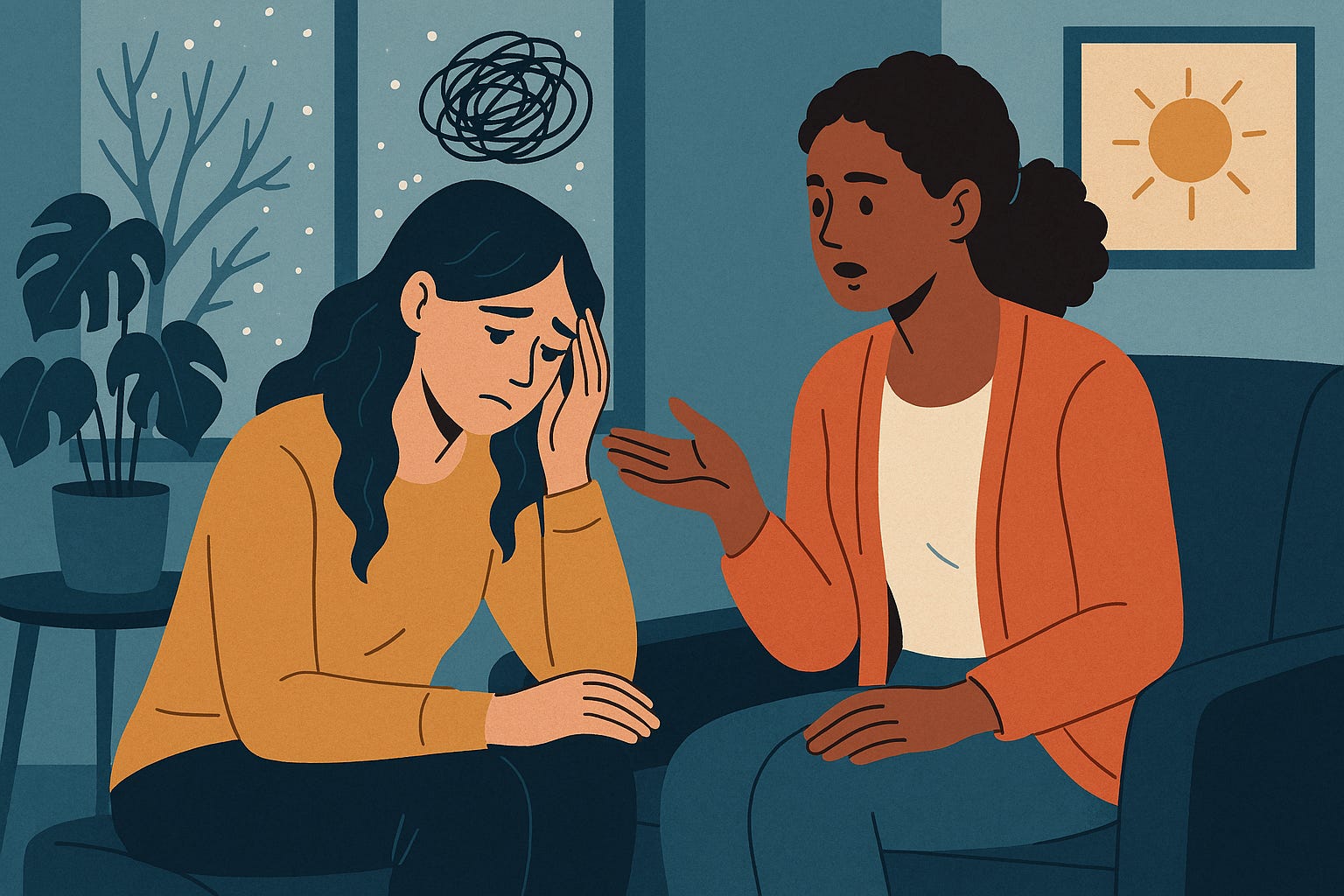
The Hardest Step: Speaking Up
For a long time, I tried to grind through my seasonal depression quietly. After all, we’re in a line of work that tends to reward endurance and downplay vulnerability.
But what finally got me moving toward real recovery wasn’t another supplement or routine tweak, it was a conversation. Talking about it out loud, admitting what was going on, opened the door for help, empathy, and accountability.
There’s something freeing about taking your struggles out of the dark and into the light, even with a trusted friend or coworker. Especially if you’re in public safety or healthcare, you already know how important it is to check your equipment before a shift. Think of talking about your mental health as the same — part of the equipment check for your emotional well-being.
Find the Light
Seasonal depression can make it feel like the dark lasts forever. But it passes, especially when we take proactive steps to fight back, including moving, eating well, connecting, staying organized, and talking.
Whether you’re a firefighter, EMT, nurse, teacher, or anyone else trying to push through the gray months ahead, remember this: light still gets in, even in winter. Sometimes you just need to look up and catch it.